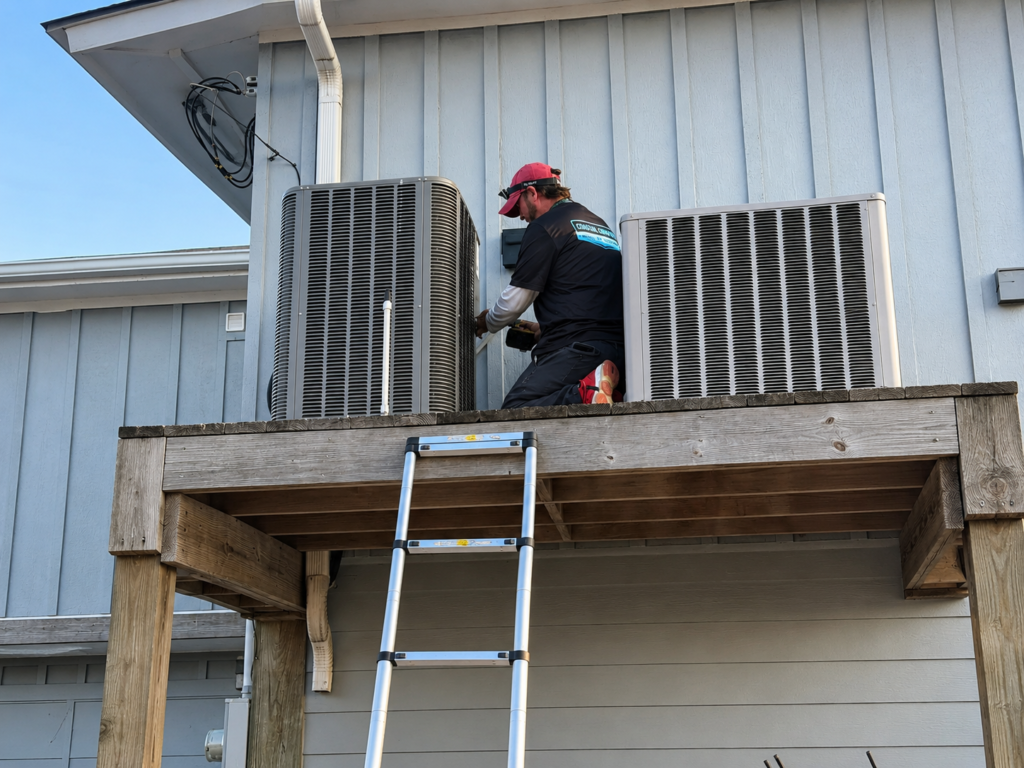
Your HVAC system is one of the most expensive pieces of equipment in your home, and on the Gulf Coast, it works harder than almost anywhere else in the country. Extended cooling seasons, salt air, and year-round humidity put a level of strain on these systems that most manufacturer estimates don’t account for. So when homeowners ask how long the lifespan of an HVAC system really is, the honest answer is: it depends, and where you live matters more than most people realize.
At Coastal Comfort, we see it firsthand every day. From routine maintenance and check-ups to emergency HVAC response, heating repairs, and full system installations, our team works on Gulf Coast homes year-round and knows exactly what this climate does to equipment over time. This guide breaks down what to expect by system type, what shortens that timeline, and what you can do to get the most years out of your investment.
How Long Do HVAC Systems Last on Average?
Most HVAC systems last somewhere between one and two decades, but that range covers a lot of ground. The type of system, how heavily it’s used, and how consistently it’s maintained can move that number significantly in either direction. Here are general lifespan ranges to use as a baseline:
Central air conditioning units: 12 to 17 years
Heat pumps: 10 to 16 years
Furnaces and boilers: 15 to 20 years
Geothermal heat pumps: 25 to 30 years
Evaporative coolers: 5 to 15 years
Keep in mind that these are national averages. For Gulf Coast homeowners, systems on the lower end of these ranges are more common because the climate demands more from equipment year-round. A central AC unit that might last 17 years in a mild climate may start showing wear closer to 12 or 13 years in Galveston or the surrounding area, especially without consistent professional maintenance.
What Affects the Lifespan of Your HVAC System?
Age alone doesn’t tell the full story. Several factors determine whether your system reaches the top of its expected range or falls short of it.
System Size and Quality
A system that’s undersized for your home runs constantly trying to keep up, which accelerates wear. One that’s oversized cycles on and off too frequently, creating its own set of problems. Neither scenario is good for longevity. Getting the right size from the start, installed correctly, is one of the most important decisions you can make. Coastal Comfort’s HVAC installation service includes a full assessment of your home to make sure your new system is properly matched to your space from day one.
Usage Patterns
The Gulf Coast cooling season runs long. In many years, air conditioning runs from April through October, sometimes longer. That’s significantly more annual runtime than systems in northern climates experience, which compounds wear on compressors, coils, and electrical components over time.
Salt Air and Coastal Humidity
This is the factor that sets Gulf Coast systems apart from the rest. Salt air accelerates corrosion on metal components, particularly the condenser coils, refrigerant lines, and electrical connections in outdoor units. High humidity creates conditions where drainage lines clog more frequently and mold growth in ductwork becomes a real concern. Coastal Comfort’s maintenance and check-up service is designed specifically to address these conditions before they shorten your system’s life.
6 Ways to Extend the Lifespan of Your HVAC System
Maintenance is the single biggest variable within your control. Here’s where to focus.
1. Schedule Professional Maintenance Twice a Year
A spring tune-up before cooling season and a fall inspection before heating season are the foundation of a long-lasting system. During a Coastal Comfort maintenance visit, a technician will clean coils, check refrigerant levels, inspect electrical connections, and catch anything that could become a costly repair if left unaddressed. Consistent maintenance is the difference between a system that reaches 15 years and one that needs replacement at 10.
2. Change Air Filters Regularly
On the Gulf Coast, monthly filter changes during peak cooling season aren’t excessive, they’re appropriate. Salt air, humidity, and long runtime fill filters faster than in most climates. A clogged filter restricts airflow, forces the system to work harder, and drives up energy bills while quietly shortening the system’s life. Filters are inexpensive. Repairs and replacements are not.
3. Keep the Outdoor Unit Clean and Clear
Debris, grass clippings, and storm residue build up around outdoor condenser units and block airflow. Salt deposits on coils are a particular concern in coastal environments and should be addressed during every professional maintenance visit. Keep at least two feet of clearance around the unit and check it after any significant weather event. If the unit takes damage during a storm, Coastal Comfort’s HVAC repair team can diagnose and fix the problem before it gets worse.
4. Clean Your Ductwork
Dirty ducts force your system to work harder to move air through the home, which increases wear over time and reduces indoor air quality. In humid coastal climates, ductwork also needs to be inspected for moisture intrusion and mold. Adding duct cleaning to your regular maintenance routine extends system life and keeps the air in your home cleaner.
5. Improve Home Insulation and Sealing
The less your system has to run, the longer it will last. Sealing gaps around doors and windows, adding insulation in the attic, and shading west-facing windows all reduce the cooling load on your system during peak summer months. These improvements don’t just extend system life, they lower your monthly energy bills from the day they’re done.
6. Use Your Thermostat’s Auto Setting
Leaving your system in the “on” position runs the fan continuously, adding unnecessary wear and increasing energy costs. The “auto” setting lets the system cycle as needed to maintain your set temperature, which is more efficient and easier on the equipment over time. A programmable or smart thermostat takes this a step further, letting you reduce the load automatically during hours when no one is home.
Signs It’s Time to Repair or Replace
Even with excellent maintenance, every system eventually reaches the end of its useful life. Watch for these warning signs:
Frequent repairs, especially within the same season Rising energy bills despite regular maintenance Inconsistent temperatures from room to room Unusual sounds or odors when the system runs A system that’s more than 12 to 15 years old and showing any of the above
If your system is showing more than one of these symptoms, it’s worth getting a professional assessment before investing in another repair. Coastal Comfort’s $95 diagnostic gives you a clear picture of where your system stands and an honest recommendation on whether repair or replacement makes more financial sense. If a new system is the right call, our HVAC installation team will handle everything from selection to setup.
Ready to Get More Years Out of Your HVAC System?
The Gulf Coast is hard on equipment, but the right maintenance plan makes a real difference. Whether you need a seasonal tune-up, a $95 diagnostic on a system that’s been acting up, or a full replacement handled from start to finish, Coastal Comfort is ready to help.
Our team knows this climate, knows these systems, and will give you an honest answer every time. Don’t wait for a breakdown in the middle of July to find out where your system stands. Call us today or schedule your visit online, and let’s make sure your home stays comfortable all year long.
Frequently Asked Questions
How long does an HVAC system last in a coastal climate? In Gulf Coast climates like Galveston and the surrounding area, expect systems to run closer to the lower end of their expected range due to extended cooling seasons, salt air, and high humidity. A central AC unit with a national average lifespan of 12 to 17 years may need replacement closer to 12 to 14 years without consistent professional maintenance. Coastal Comfort’s maintenance and check-up service is the most effective way to push that number as high as possible.
Is it worth repairing an older HVAC system? A common rule of thumb: if the repair cost exceeds 50% of the price of a new system and your unit is over 10 years old, replacement usually makes more long-term sense. Coastal Comfort’s $95 diagnostic gives you the information you need to make that call with confidence, and our team will never push you toward a replacement you don’t need.
How do I know if my HVAC system is the right size? Signs of an undersized system include the unit running constantly without reaching your set temperature. Signs of an oversized system include short, frequent cycling and uneven humidity control. Coastal Comfort can evaluate your current setup and recommend the right fit for your home as part of our installation service.
Does Coastal Comfort handle commercial HVAC as well? Yes. In addition to residential service, Coastal Comfort provides commercial HVAC solutions for businesses and properties of all sizes, including walk-in cooler and freezer maintenance and ice machine repairs. The same coastal climate factors that affect home systems apply to commercial equipment, often at a larger scale.
Schedule a Maintenance Visit or Diagnostic With Coastal Comfort
Whether your system is brand new or approaching the end of its expected lifespan, Coastal Comfort has the expertise to keep it running as long as possible. From seasonal maintenance and check-ups to emergency repairs, heating service, and full system installations, we serve Gulf Coast homeowners with the kind of knowledge that only comes from working in this climate every day. Contact us today or schedule your $95 diagnostic to find out exactly where your system stands.